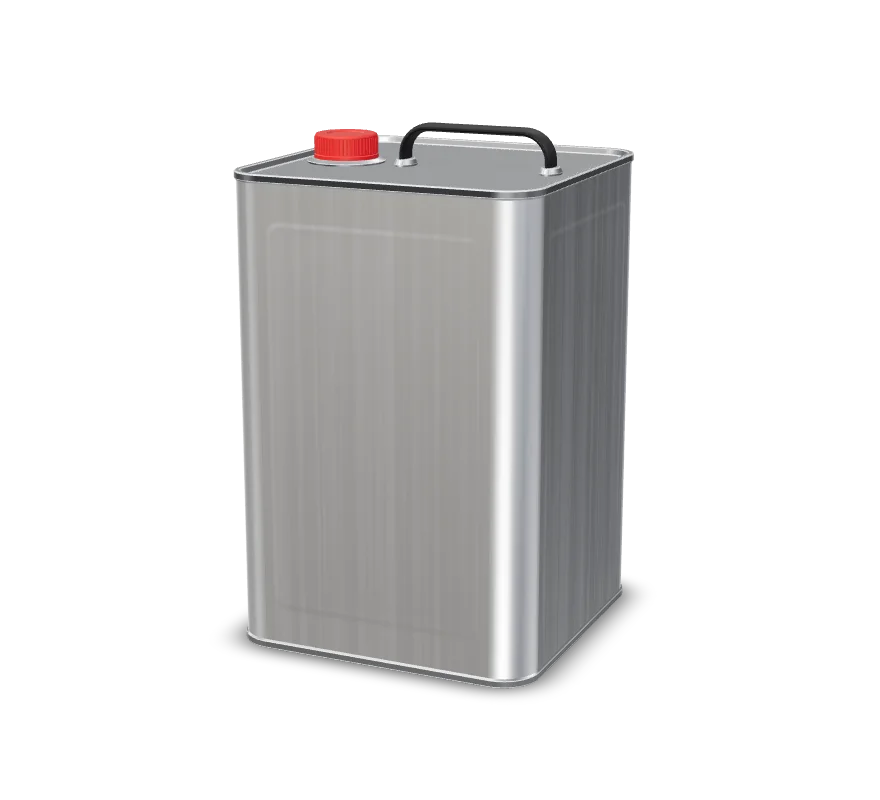
01Full opening or pouring neck?
A thick product (paint, adhesive, sealant, paste) is taken out with a brush or a spatula: it needs an opening across the whole diameter. A liquid that is poured (thinner, oil, thin varnish) is easier to use with a neck that can be capped again.
02On pails
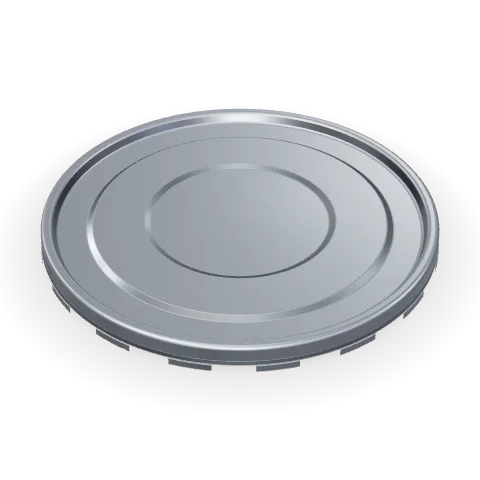 PailPail lid: a lid with lugs that are folded over the rim of the pail when it is closed. Offered on all our pails, from 3 to 25 L.
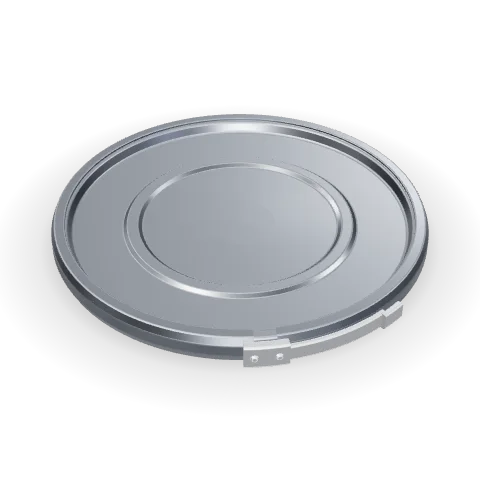 AnneauClamping ring: a lever ring clamps the lid onto the pail. It opens and closes by hand, as often as needed. On our 15 to 25 L pails.
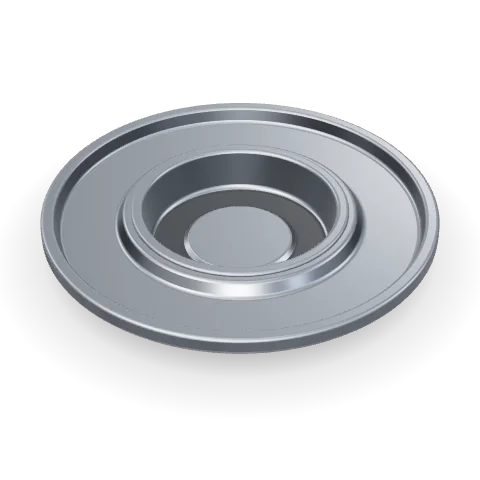 BRPlug closure (BR): the lid is pressed into a ring; it is lifted with a flat tool and pressed back in to close. On our 3 to 5 L pails.
03On round cans and rectangular cans
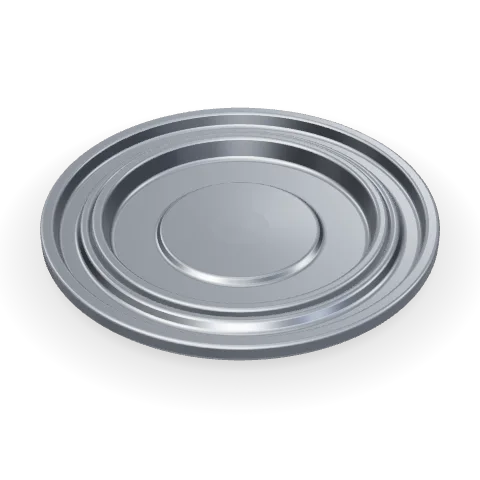 OSStandard opening (OS): the usual lid of round cans.
- BRPlug closure (BR): the same principle as on pails, for a can that is opened and closed often.
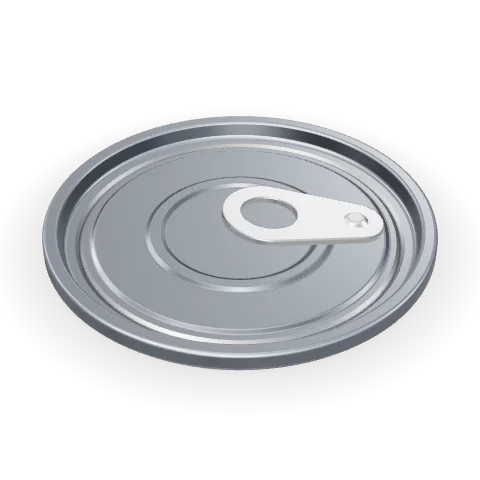 OFEasy-open (OF): the top opens by hand with a pull ring, without a tool.
 BPPlastic cap (BP): a capped neck for pouring and closing again. It is the closure of our rectangular cans.
04Five questions before you choose
- Is the product poured or taken out?
- Will the container be closed again after it is first opened?
- Will the user have a tool at hand?
- How do you fill and close your containers today?
- Is the product classed as dangerous goods? Say so in your request.